How Social Interactions Can Enhance Senior Care
Did you know that nearly 26% of community-dwelling older adults experience social isolation? This isn’t just about feeling lonely. This widespread issue has serious health consequences that many families don’t realize when evaluating care options for their loved ones.
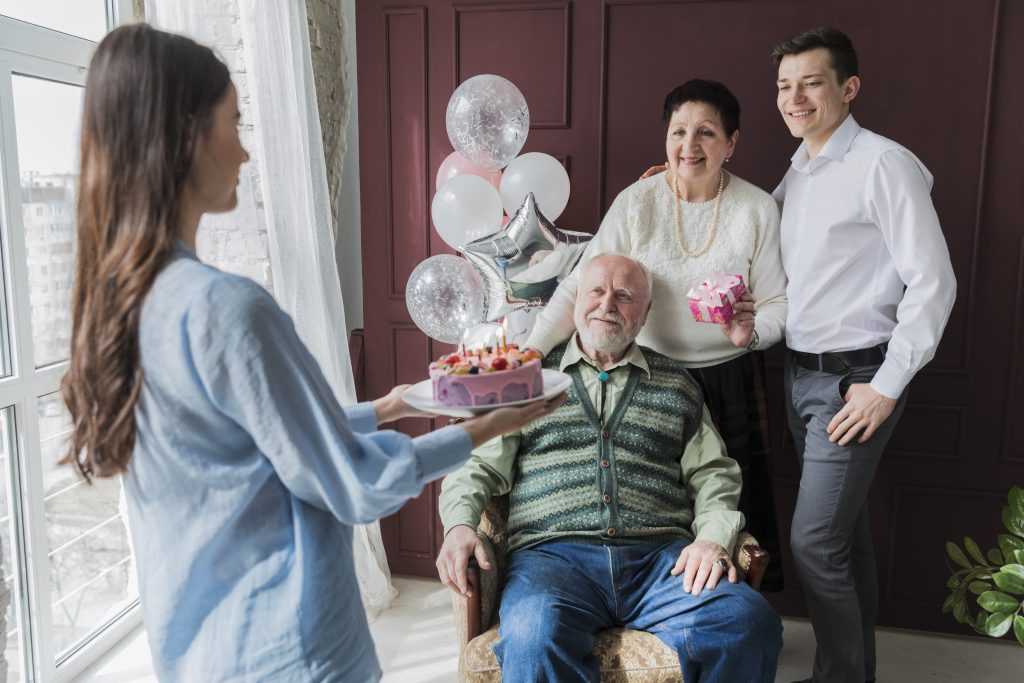
Quality senior care can often be assumed as a focus on medical treatments, safety features, and daily assistance. While these are certainly important, there’s a critical factor that often gets overlooked, and that is social connection. A comprehensive meta-analysis of studies found that social isolation or loneliness in older adults is associated with a 26% increased risk of all-cause mortality, making it as dangerous to senior health. What’s more, socially isolated seniors account for an estimated $6.7 billion in additional Medicare expenditures annually.
If you are someone concerned about the care of seniors in your family, this post is the place for you. This guide will walk you through everything you need to know about social interactions in senior care. You’ll discover why connections matter for health outcomes, learn to assess community social programming, and find strategies that successful facilities use to create thriving social environments.
The Real Health Impact of Social Connections in Senior Care
Social interaction isn’t just a nice amenity; it’s life-saving medicine for older adults. The medical research supporting this is extensive, yet many families spend considerable time researching medical staff while barely asking about social programming.
Socially connected seniors experience measurable health benefits beyond cognitive protection. Mayo Clinic research demonstrates that strong social relationships can be more predictive of longevity than traditional health markers. Seniors with robust social connections show better immune function, recover faster from illnesses, and have significantly lower rates of depression and anxiety.
The flip side is equally compelling. Social isolation devastates senior health in measurable ways. Isolated seniors are more likely to end up in emergency rooms, experience hospital readmissions, and develop preventable complications. Socially isolated seniors generate healthcare costs that are significantly higher than their connected peers, often representing the difference between thriving versus declining through expensive medical interventions that could have been prevented.
What Families Often Miss When Evaluating Senior Care Communities?
The prettiest senior living community isn’t always the best choice for your loved one. Many families tour facilities focusing on amenities like marble lobbies and gourmet dining while missing what determines long-term happiness and health outcomes.
Common red flags that families overlook include activities that resemble elementary school crafts rather than meaningful engagement for adults. Some communities offer the same basic activities repeatedly, with only the same few residents participating while everyone else remains disconnected.
During facility tours, these essential questions reveal whether a community truly prioritizes social connection:
- “How do you help new residents make friends?”
- “What happens when residents don’t connect with standard activities?”
- “Can you share specific examples of friendships that have formed here?”
Pay attention to staff responses. Do they share specific stories about residents, or offer generic answers about their “wonderful community atmosphere”? Communities that understand social engagement have residents chatting in small groups, staff who know everyone’s interests, and genuine activity that feels natural rather than forced.
Addressing Common Barriers to Senior Social Engagement
Even well-designed communities must navigate obstacles that prevent some seniors from participating fully in social activities.
Mobility limitations don’t require social isolation, but addressing them requires creativity. Successful communities bring activities to residents who can’t easily move around, use mobile activity carts, and create meaningful participation regardless of physical limitations.
Hearing loss represents a major but often overlooked barrier. Ask communities about accommodations for hearing difficulties. Do they provide assistive listening devices? Are activities designed for participation without perfect hearing? The best communities train staff to communicate effectively with hearing-impaired residents.
Shy or introverted seniors face unique challenges when transitioning into community living. Look for communities with specific strategies for gently introducing new residents, respecting comfort levels while encouraging connection, and offering low-pressure social opportunities.
How to Assess a Community’s Social Programming Before You Choose
Not all activity programs deliver the same results. Some communities create genuine engagement, while others simply go through motions with programming that feels more like supervision than meaningful interaction.
Successful programming has recognizable characteristics. During visits, observe residents’ faces during activities. Are they genuinely engaged, or just killing time? In effective communities, residents clearly have friendships, staff know individual preferences, and activities feel purposeful rather than busy work.
Strategic questions reveal programming quality:
- “Can you share success stories about residents who’ve thrived socially?”
- “How do you handle different activity preferences?”
- “What role do residents play in planning activities?”
Pay attention to accommodation for different personalities. Effective communities create quiet spaces for introverts, offer one-on-one activities, and maintain flexible programming that adapts to what residents actually want to do.
Look for evidence of resident input. Are activities planned entirely by staff, or do you see signs that programming responds to resident feedback? Successful communities often have resident committees and activities that originated from resident suggestions rather than corporate manuals.
Making Social Connection Part of Your Care Plan
Social goals deserve equal priority with medical objectives in every senior’s care plan. When transitioning loved ones into communities, discuss social objectives alongside health and safety concerns.
Transitioning socially isolated seniors requires patience and realistic expectations. Effective approaches begin with small social interactions rather than expecting immediate group participation. Look for communities that assign social ambassadors to new residents and celebrate incremental progress.
Working effectively with care teams means regular conversations about social engagement, not just medical status. Important questions include:
- “Who has your loved one been spending time with?”
- “What activities energize them most?”
- “Are there untapped social opportunities matching their interests?”
Measuring success looks different for each individual. For some, success means making one good friend, while for others it might mean becoming a social connector. The key is identifying progress that makes sense for your loved one’s personality and circumstances.
Conclusion
The best senior communities don’t just provide care, they create environments where relationships flourish and every day holds the possibility of meaningful connection. Choose communities that understand this fundamental difference and prioritize social engagement as essential healthcare rather than optional programming.
At Senior Care Referral Specialists, we understand that finding the right community means looking beyond amenities to discover places where your loved one can build meaningful relationships and thrive socially. Our experienced team helps families identify communities with robust social programming that matches individual personalities and interests, because we believe everyone deserves to age with dignity, purpose, and connection.
Frequently Asked Questions
What specific questions should I ask about social programs during facility tours?
Ask how they help new residents make friends, what happens when someone doesn’t want to participate, and request specific friendship examples. Also, ask to see the previous month’s activity calendar, not just upcoming events, to gauge programming consistency and participation levels.
How can I tell if my loved one is socially isolated in their current care setting?
Watch for declining interest in previously enjoyed activities, complaints about having “nothing to do,” mentions of feeling forgotten, and increased focus on physical ailments without clear medical causes. Notice whether they can tell you about other residents during visits.
What are realistic expectations for shy seniors joining social activities?
Start with one-on-one interactions before expecting group participation. Success might look like making one friend, attending quiet activities like book clubs, or becoming comfortable with casual conversations. Focus on meaningful progress rather than participating in everything offered.
How do I evaluate if a community’s social programming is worth the extra cost?
Calculate potential healthcare savings from better social engagement against additional monthly fees. Consider whether programming addresses your loved one’s specific interests. Ask about measurable outcomes like resident satisfaction scores and examples of residents who have thrived socially.
What warning signs indicate a facility has inadequate social engagement?
Empty common areas during normal hours, the same few residents participating in all activities, staff who can’t discuss individual social preferences, childish rather than age-appropriate activities, and residents who seem disconnected during group activities.